Cologne is not only famous for its cathedral, carnival, and stunning Rhine views – it’s also one of Germany’s most vibrant running cities. With a strong local running community, flat and fast courses, and spectacular urban scenery, Cologne attracts runners from all over Europe. Discover the The Most Beautiful Running Events Cologne.
From atmospheric night runs through the historic Old Town to large international races along the Rhine, Cologne offers running events for every level – from beginners and families to ambitious half-marathon and marathon runners.
Whether you’re planning a running holiday, preparing for a half marathon or full marathon, or simply want to combine sightseeing with sport, this guide covers the most important and most beautiful running events in Cologne in 2026.
🌸 Cologne Spring Run (Kölner Frühlingslauf)
📅 March 22, 2026
📍 Location: Cologne City Forest
The Cologne Spring Run traditionally marks the start of the outdoor running season. With flat routes, fresh spring air, and a relaxed atmosphere, it’s ideal for beginners, comeback runners, and anyone testing their fitness after winter.
A classic local race held on May Day in the western part of Cologne. The Vogelsang May Run is known for its community spirit, well-organized courses, and a friendly neighborhood vibe. Perfect for runners who enjoy smaller, authentic events.
📍 Location: Centre, bridges with view on cathedral and river
One of Cologne’s most atmospheric races. Running through the city after sunset, this event combines sport, lights, and urban nightlife vibes. A must-do for anyone who enjoys evening races and a lively crowd.
A unique experience for sports fans. The course includes laps in and around the stadium, creating a competitive yet motivating atmosphere. Ideal for runners who love structured courses and energetic surroundings.
Historic streets, cheering spectators, and summer evening vibes make this one of the most popular city runs. Running through the Old Town past breweries, squares, and landmarks is pure Cologne spirit.
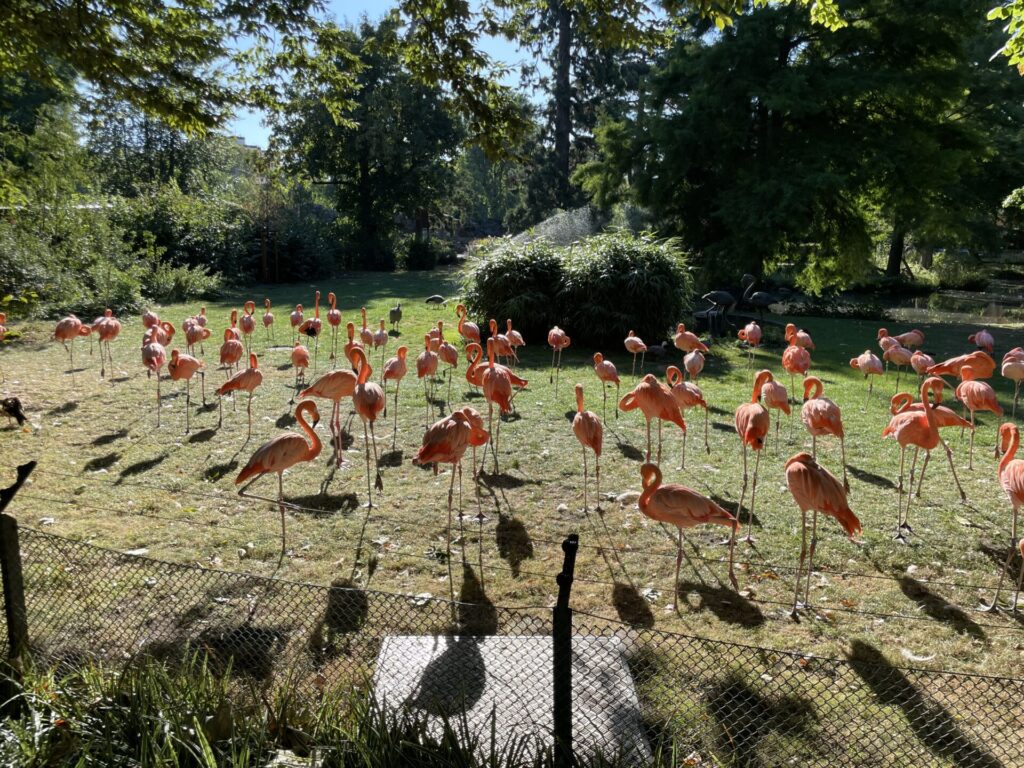
My favourite one: The most unusual running events in Germany. The course is in the middle Cologne Zoo, making it especially popular with families and fun-run enthusiasts. A relaxed race with a unique backdrop.
Known as “Die Generalprobe”, this half marathon is the perfect preparation race for autumn marathons. The course is flat, fast, and professionally organized – ideal for setting a new personal best.
📍 Location: Cologne city center, river and cathedral view
One of the biggest recreational runs in Cologne, attracting thousands of runners. Popular with corporate teams, beginners, and casual runners, this event offers a vibrant city-center atmosphere. Very professional organisation.
🌊 Run Around Fühlinger Lake (Lauf Rund um den Fühlinger See)
📅 September 20, 2026
📍 Location: Fühlinger See, Cologne
A scenic nature run around one of Cologne’s most beautiful recreational lakes. The flat loop, open views, and calm surroundings make this race perfect for relaxed yet focused running.
A true Cologne original. This neighborhood run celebrates local culture, passing traditional Büdchen (corner shops). Expect lots of local support and authentic Cologne flair.
Cologne’s biggest running event and one of Germany’s most popular marathons. With tens of thousands of runners, live music, and incredible crowd support, this race turns the entire city into a festival of running.
Spooky costumes, creative outfits, and a fun-first atmosphere make this one of the most entertaining runs of the year. Ideal for runners who don’t take themselves too seriously.
End the running year in festive style. Santa hats, winter vibes, and a cheerful community spirit define this event – perfect for a relaxed and joyful season finale.
From springtime park runs to festive winter races, Cologne’s running calendar in 2026 offers something for everyone. Whether you’re chasing a personal best at the Generali Cologne Marathon, enjoying a scenic loop around Fühlinger Lake, or soaking up the atmosphere of a night run through the Old Town, each event showcases a different side of Cologne.
For visitors, these races are the perfect way to combine sport, city life, and sightseeing—for locals, they’re a celebration of Cologne’s strong running culture and community spirit. Lace up your shoes, plan your race calendar, and experience Cologne one stride at a time.
he Cologne Zoo is one of the oldest and most respected zoological gardens in Germany and a popular attraction for visitors of all ages. Located just north of the city center, the zoo offers a full-day experience combining wildlife, education, conservation, and beautifully designed habitats. Whether you are visiting Cologne with family, as a couple, or on your own, the Cologne Zoo is an enjoyable and meaningful addition to your itinerary.
A Brief History of Cologne Zoo
Founded in 1860, Cologne Zoo has a long tradition of animal care, scientific research, and conservation. Over the decades, the zoo has continuously evolved, replacing older enclosures with modern, naturalistic habitats that prioritize animal welfare. Today, it is internationally recognized for its breeding programs, research partnerships, and commitment to protecting endangered species.
Highlights and Animal Exhibits
Cologne Zoo is home to a wide variety of animals from around the world. One of the main highlights is the Elephant Park, one of the largest and most advanced elephant habitats in Europe, allowing visitors to observe the animals in a spacious and natural environment. The Hippodom recreates an African river landscape and features hippos, crocodiles, and antelope species living together in a shared ecosystem.
The Rainforest House offers a tropical atmosphere with free-flying birds, reptiles, and exotic plants, while the Ape Island provides insights into the lives of gorillas, chimpanzees, and orangutans. Smaller exhibits focus on rare species, nocturnal animals, and conservation-focused presentations, making the zoo both entertaining and educational.
Flora, Aquarium, and Additional Attractions
In addition to animal enclosures, the zoo features extensive gardens, shaded walking paths, and historic buildings that reflect its long history. The Aquarium, located next to the main zoo grounds, is one of the most impressive in Germany. It houses fish, amphibians, insects, and reptiles from different climate zones and is included in the zoo ticket. The aquarium is especially popular on rainy days or during colder months.
Visiting with Children and Families
Cologne Zoo is particularly well suited for families. Playgrounds, feeding times, interactive information displays, and child-friendly facilities make it easy to spend several hours at the zoo. Clear signage, stroller-friendly paths, and plenty of seating areas ensure a relaxed visit even with younger children.
Opening Hours and Best Time to Visit
Cologne Zoo is open year-round, with opening hours varying slightly depending on the season. Spring and summer are ideal for seeing animals outdoors and enjoying the gardens, while autumn offers fewer crowds. Visiting early in the morning or on weekdays is recommended if you want a quieter experience. During school holidays and weekends, the zoo can become busy, especially in good weather.
The zoo is located in the Riehl district, close to the Rhine River. It is easily accessible by public transport, with tram and bus stops nearby (Stop at “Zoo/Flora”). The Cologne Cable Car connects the zoo area with the Rheinpark and Deutz, offering a scenic way to arrive or continue your visit. The nearby Botanical Garden and Flora make an excellent combination for a full day of activities.
Food and Facilities
Several cafés, snack stands, and restaurants are located throughout the zoo, offering meals, drinks, and ice cream. Visitors are also welcome to bring their own food and enjoy picnic areas within the grounds. Restrooms, lockers, and gift shops are conveniently distributed across the zoo.
Why Visit Cologne Zoo
Cologne Zoo combines entertainment with education and conservation in a way that appeals to both adults and children. Its modern habitats, wide range of species, and central location make it one of the most enjoyable attractions in Cologne. A visit offers a relaxing break from city sightseeing while still being close to the heart of Cologne.
Final Thoughts
A visit to Cologne Zoo is a rewarding experience for anyone interested in wildlife, nature, and conservation. Whether you spend a few hours or an entire day, the zoo provides a well-balanced mix of learning, relaxation, and discovery. Combined with nearby attractions such as the Botanical Garden, the Rhine promenade, or the cable car, it is easy to make Cologne Zoo a memorable part of your stay in the city.
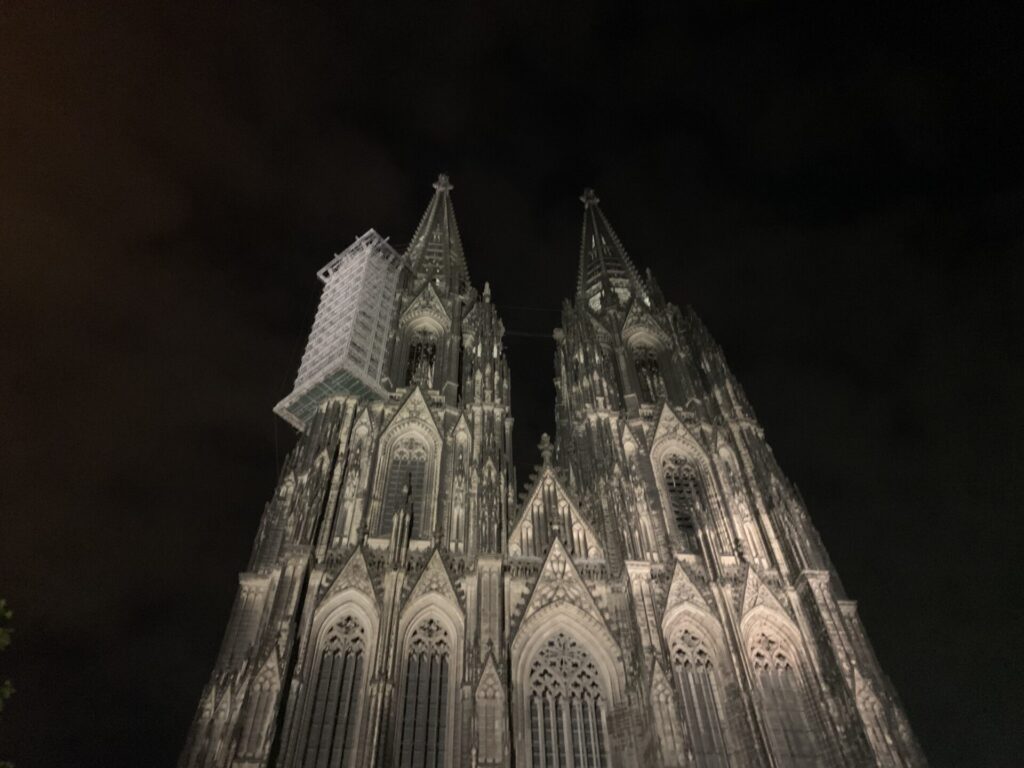
The Cologne Cathedral, known locally as the Kölner Dom, is the most famous landmark in Cologne and one of the most impressive Gothic cathedrals in Europe. Towering over the city skyline, it is a UNESCO World Heritage Site and the most visited attraction in Germany. Whether you are in Cologne for a short city break or a longer stay, a visit to the cathedral is absolutely essential.
A Brief History of Cologne Cathedral
Construction of Cologne Cathedral began in 1248 and took more than 600 years to complete. The cathedral was designed to house the Shrine of the Three Kings, which is believed to contain the relics of the Biblical Magi. Inspired by French High Gothic architecture, the cathedral was finally completed in 1880 and has since become a symbol of Cologne’s resilience and identity. Despite heavy damage during World War II, the cathedral survived and remains a powerful historical monument.
Architecture and Highlights
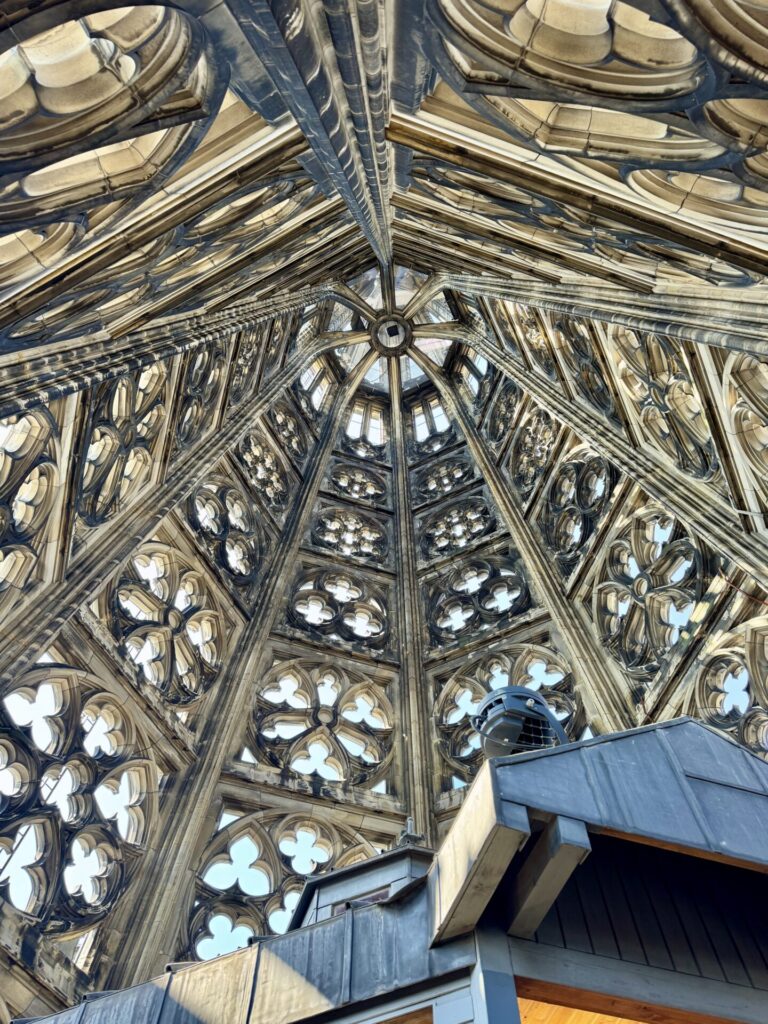
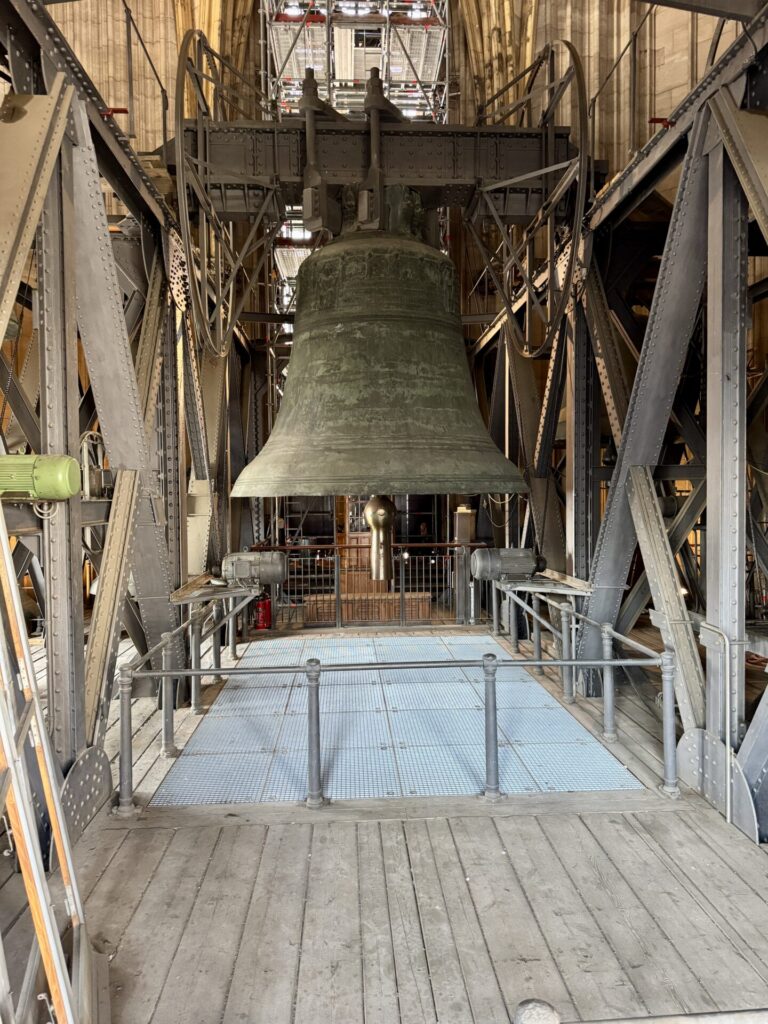
Cologne Cathedral is renowned for its dramatic Gothic architecture, intricate stone carvings, and soaring twin towers. At 157 meters, it is the tallest church in Germany. Inside, visitors will find impressive stained glass windows, medieval altars, and religious artworks spanning centuries. One of the most important highlights is the Shrine of the Three Kings, a richly decorated golden reliquary located behind the high altar. The modern stained glass window by artist Gerhard Richter adds a contemporary contrast to the historic interior.
Climbing the South Tower
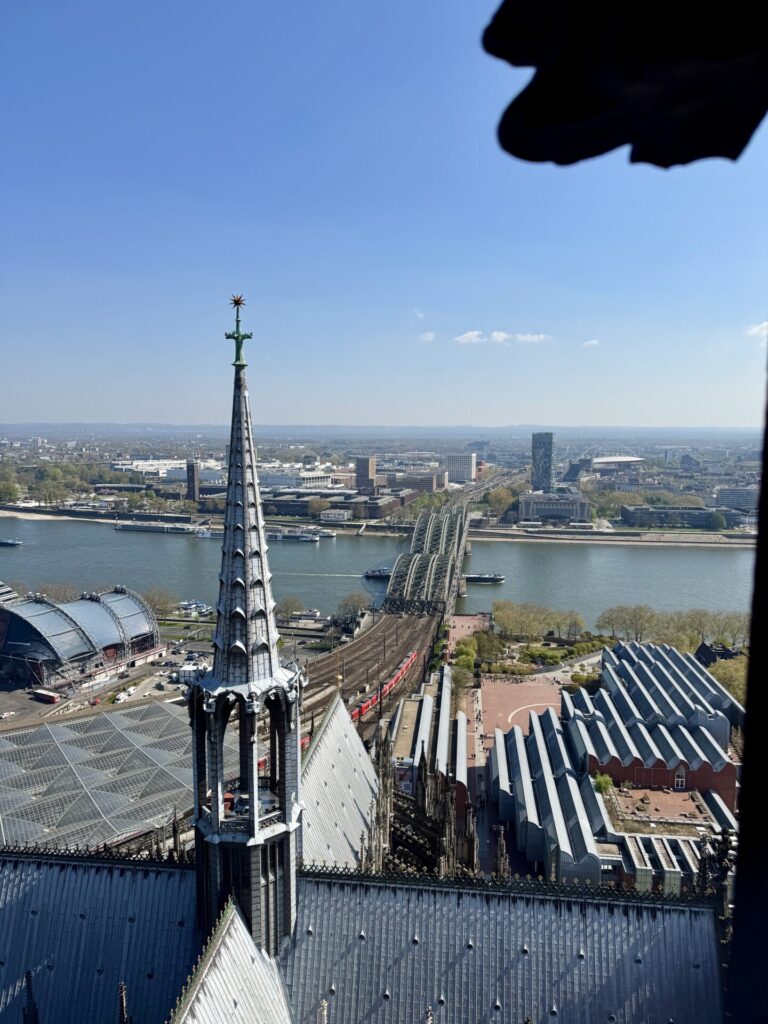
For one of the best views in Cologne, visitors can climb the South Tower of the cathedral. The climb includes 533 steps and leads to a viewing platform overlooking the Rhine River, the Old Town, and the entire city. While the climb requires some effort, the panoramic view is widely considered worth it. The tower climb is weather dependent and may close temporarily during extreme conditions.
Visiting the Interior
Entry to the main cathedral interior is free of charge, making it accessible to all visitors. However, donations are encouraged to support preservation efforts. Visitors should dress respectfully, as the cathedral is an active place of worship. Guided tours are available and provide deeper insights into the cathedral’s history, architecture, and religious significance. Quiet behavior is expected, especially during services.
Opening Hours and Best Time to Visit
Cologne Cathedral is open daily, though opening hours may vary due to religious services and special events. Early mornings and late afternoons are generally the best times to visit if you want to avoid large crowds. During peak tourist seasons, such as summer and the Christmas market period, the cathedral can become very busy. Visiting early in the day offers a calmer experience and better photo opportunities.
Location and Surroundings
The cathedral is located directly next to Cologne Central Station, making it one of the easiest attractions to reach in the city. From here, visitors can easily explore the Old Town, walk across the Hohenzollern Bridge, or stroll along the Rhine promenade. Many cafés, breweries, museums, and shops are within walking distance, making the cathedral an ideal starting point for exploring Cologne.
Photography Tips
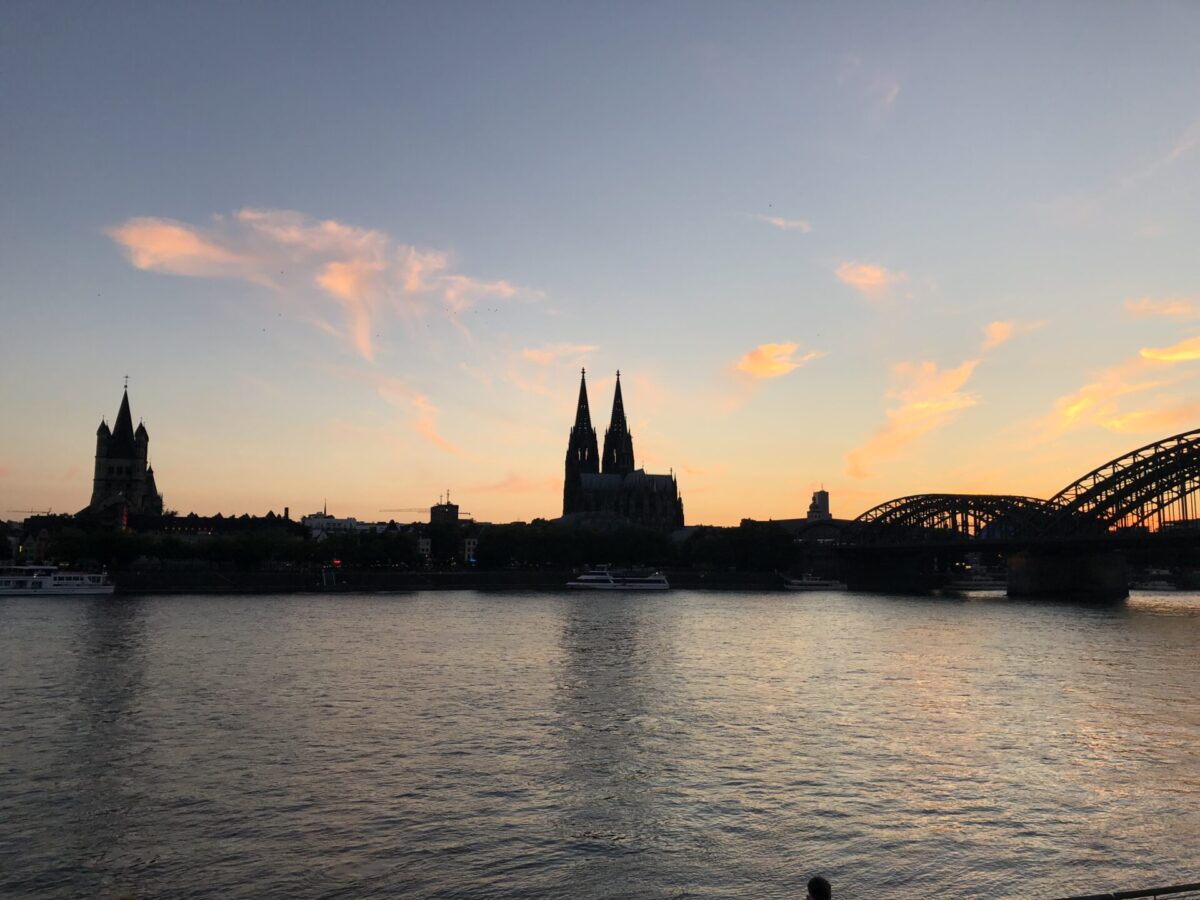
The best exterior photos of Cologne Cathedral can be taken from the Hohenzollern Bridge or the Deutz side of the Rhine, especially around sunset. Inside photography is allowed without flash, but tripods are prohibited. Early morning light provides softer contrasts and fewer people in your shots.
Why Cologne Cathedral Is a Must-See
Cologne Cathedral is more than just a church — it is the heart of the city. It represents centuries of history, craftsmanship, faith, and cultural identity. Whether you are interested in architecture, history, religion, or simply iconic landmarks, the cathedral offers a powerful and unforgettable experience.
Final Thoughts
A visit to Cologne would not be complete without seeing the Cologne Cathedral. Its scale, beauty, and historical significance make it one of Europe’s most remarkable landmarks. Whether you explore the interior, climb the tower, or simply admire it from the surrounding squares, the cathedral leaves a lasting impression on every visitor.
Cologne is one of Europe’s most welcoming and characterful cities, filled with history, culture, creativity, and local charm. Whether you are visiting for a weekend, a business trip, or one of the city’s major events, this essential guide highlights the best things to do in Cologne. The list combines iconic attractions with local insights so you can experience the city in a meaningful and enjoyable way.
The Cologne Cathedral is the city’s most iconic landmark and one of Germany’s most visited attractions. Its Gothic architecture, impressive height, and UNESCO World Heritage status make it a must-see for every visitor. Don’t miss climbing the South Tower for panoramic views over the Rhine and the city skyline. The interior is equally breathtaking, featuring stained glass windows, medieval art, and the Shrine of the Three Kings.
Cologne’s Old Town is a lively and atmospheric district filled with narrow cobblestone alleys, colorful houses, traditional breweries, cafés, and small shops. The area around the Alter Markt and Heumarkt is especially popular. This is the perfect place to enjoy your first Kölsch, try local dishes, and take in the relaxed atmosphere that defines Cologne’s personality.
Walking the Hohenzollern Bridge and Riverside Promenade
The Hohenzollern Bridge is famous for its thousands of love locks and offers one of the best views of the Cathedral. Cross the bridge from the Old Town to the Deutz side and enjoy a beautiful perspective of the skyline. The Rhine promenade offers an easy, scenic walk with plenty of opportunities to sit, people-watch, or enjoy a drink by the river.
Cologne Triangle Viewpoint (KölnTriangle)
For one of the best 360-degree views of Cologne, head to the KölnTriangle observation deck in Deutz. The platform offers a full panoramic perspective, including an iconic view of the Cathedral. It is especially beautiful during sunset or at night when the city lights up.
The Belgian Quarter is one of Cologne’s trendiest neighborhoods, known for its independent boutiques, bars, cafés, and creative scene. It’s a great area for shopping, exploring modern Cologne culture, and enjoying the city’s relaxed lifestyle. The small streets around Brüsseler Platz are full of unique spots and excellent people-watching opportunities.
Ehrenfeld
Ehrenfeld is one of Cologne’s most creative and multicultural neighborhoods. Known for street art, independent shops, and a vibrant food scene, it offers a completely different perspective on the city. Venues, studios, bars, and cafés give the area its unique energy. Ehrenfeld is ideal for visitors who want to go beyond the typical tourist path.
Museum Ludwig
Cologne has an impressive museum landscape, and Museum Ludwig is one of the highlights. It features one of Europe’s largest pop art collections, exceptional contemporary exhibitions, and an important collection of Picasso works. Even visitors who do not usually visit museums are often surprised by how inspiring and accessible this museum feels.
Kölsch is more than a beer; it is a cultural tradition. Visiting a traditional brewery (Brauhaus) is one of the most authentic experiences in Cologne. Each brewery has its own Kölsch brand and local dishes. Servers will keep replacing your glass until you place a coaster on top to signal that you are finished. Popular breweries include Früh, Päffgen, Gaffel, and Sion.
Rheinauhafen and Harbour District
This modern district combines architecture, design, food, and riverside views. The famous Crane Houses are a symbol of Cologne’s contemporary side. Walking along the waterfront, visiting cafés, or exploring the Chocolate Museum and German Sports Museum can easily fill an afternoon. It’s a great contrast to the old town and shows the city’s modern identity.
The Cologne Zoo is one of the oldest and most respected zoological gardens in Germany, offering a full-day experience for visitors of all ages. It features a wide range of habitats, including the popular Elephant Park, the Rainforest House, and the modern Hippodom, which recreates the African river landscape. The zoo focuses on conservation, education, and naturalistic environments, making it both enjoyable and meaningful. A visit to the zoo can be combined easily with the nearby Botanical Garden and the cable car for a full day of activities. It is especially popular for families and offers a relaxed way to explore wildlife from around the world without leaving the city.
If you visit during the warmer months, the Cologne Cable Car offers a fun ride across the Rhine with great aerial views of the city, the zoo, and the riverfront. It’s a memorable experience for couples and families and an easy way to see Cologne from a different angle.
The Botanical Garden, known as the Flora, is a peaceful escape from the city and ideal for a relaxing walk. The gardens are free to enter and feature a beautiful greenhouse, seasonal flowers, fountains, and quiet pathways. It is perfect for families, photography lovers, or anyone looking for a moment of calm.
Rhine River Cruise
Seeing Cologne from the water offers a relaxing way to experience the city. River cruises vary from short panoramic tours to dinner cruises and seasonal experiences such as Christmas light tours. A cruise is especially enjoyable in the early evening when the skyline starts to glow.
Schokoladenmuseum (Chocolate Museum)
The Chocolate Museum is one of Cologne’s most popular attractions and a highlight for visitors of all ages. Located in the Rheinauhafen district, the museum takes you through the entire world of chocolate — from its origins and cultivation to modern production techniques. Interactive exhibits, tasting stations, and the iconic chocolate fountain make it both educational and fun. The riverside location adds to the experience, and the museum café offers excellent views of the Rhine. It’s an ideal stop for families as well as anyone with a sweet tooth.
The NS Documentation Center, located in the former Gestapo headquarters, is one of the most significant historical sites in Cologne. The museum documents the history of Cologne during the Nazi era and provides powerful insights into the impact of the regime on the city and its people. The preserved prison cells in the basement, covered with thousands of inscriptions from prisoners, are especially moving. This museum is an essential visit for anyone interested in European history, human rights, and remembrance culture. It is intense but deeply meaningful.
Cologne has a vibrant and growing street art scene, especially in the neighborhoods of Ehrenfeld and the Belgian Quarter. Large-scale murals, colorful facades, and hidden pieces by local and international artists create an open-air gallery throughout the city. Ehrenfeld, in particular, is known for its creative energy and alternative cultural spaces, while the Belgian Quarter offers a more boutique and design-oriented feel. Exploring the street art scene is an excellent way to experience modern Cologne and discover areas beyond the typical tourist routes.
Located in the Rheinauhafen area, the German Sport & Olympic Museum offers an inspiring journey through the history of sport, from ancient competitions to modern Olympic events. Exhibits include interactive installations, memorabilia from major athletes, historical artifacts, and a rooftop sports field with views of the Rhine. The museum is engaging for both adults and children, and it highlights Cologne’s strong connection to sports culture. Combined with a visit to the nearby Chocolate Museum or a walk along the harbor promenade, it makes for a great half-day activity.
In late November and December, Cologne transforms into one of Europe’s most magical Christmas destinations. Multiple themed markets appear across the city, each with its own look, feel, food specialties, and atmosphere. Visiting the Christmas markets is one of the most memorable things to do in Cologne and attracts millions of visitors every year.
Phantasialand is one of Europe’s most impressive theme parks and an excellent day trip from Cologne. Located in Brühl, just a short train or car ride away, the park is known for its immersive themed areas and award-winning attractions such as Taron, Black Mamba, and FLY. The combination of thrilling roller coasters, family-friendly rides, shows, and beautifully designed environments makes it a full-day experience for visitors of all ages. It is especially popular during seasonal events like Wintertraum, when the park transforms into a spectacular winter world.
Bonn, the former capital of West Germany, is a charming and culturally rich city located just 30 minutes south of Cologne. Visitors can explore the historic old town, the birthplace of Beethoven, and the scenic Rhine promenade. Highlights include the Museum Mile with world-class exhibitions, Poppelsdorf Palace, and the beautiful botanical gardens. Bonn offers a quieter, more classical atmosphere compared to Cologne and is ideal for a relaxed half-day or full-day trip.
Drachenfels & Drachenburg Castle (Day Trip)
The Drachenfels, located in Königswinter, is one of the Rhine Valley’s most iconic landscapes and a perfect nature escape from Cologne. Visitors can hike or take the historic Drachenfelsbahn cogwheel train up the hill to enjoy breathtaking views of the Rhine, Bonn, and the Siebengebirge mountain range. At the top, the ruins of Drachenfels Castle create a dramatic backdrop for photos. The area also features walking paths, cafés, and a picturesque riverside promenade — ideal for anyone looking to combine nature, history, and scenic views.
Aachen, near the borders of Belgium and the Netherlands, offers a unique mix of history, culture, and European flair. The Aachen Cathedral, a UNESCO World Heritage site, is one of Europe’s oldest and most significant churches. The old town, thermal baths, and student atmosphere make the city vibrant and welcoming. Just outside Aachen is the Three-Country Point (Dreiländereck), where Germany, Belgium, and the Netherlands meet. Visitors can climb the viewing tower, explore forest trails, and stand in three countries at once — a fun and memorable experience. You should also visit the cities of Lüttich in Belgium and Maastricht in The Netherlands to tick the box in your country list.
Düsseldorf (Day Trip)
Düsseldorf, Cologne’s neighbor and friendly rival, is an easy and rewarding day trip. Known for its modern architecture, upscale shopping on Königsallee, and the lively Altstadt (often called “the longest bar in the world”), Düsseldorf offers a more polished and cosmopolitan vibe. Visitors can enjoy the MedienHafen district, art museums like the K20 and K21, and the scenic Rhine embankment promenade. The city is only about 25–35 minutes away by train, making it one of the simplest and most convenient excursions from Cologne.
Final Thoughts
Cologne is a city full of culture, warmth, creativity, and contrasts — from ancient history to modern architecture, from peaceful parks to lively neighborhoods, from traditional breweries to contemporary museums. This essential list gives you a strong starting point for exploring the city, whether it’s your first visit or your fifth. With a mix of iconic sights and local experiences, Cologne offers something for every traveler.
Few cities in Europe transform as beautifully during winter as Cologne. From late November until just before Christmas, the entire city glows with thousands of lights, wooden huts, mulled-wine scents, and a festive atmosphere that feels both traditional and surprisingly modern.
The Cologne Christmas Markets are famous for their variety: each market has its own theme, personality, food specialties, and neighborhood vibe. Whether you want romantic riverside views, family-friendly rides, artisanal crafts, or local Kölsch culture, you’ll find a market that fits your style.
This guide gives you a curated insider overview — perfect for your first visit.
Why Christmas Markets?
Historically, Christmas markets began in the Late Middle Ages as winter trading fairs where local craftsmen and farmers could sell goods people needed to endure the cold season. Over time, these practical markets evolved into festive gatherings connected to Advent, offering handcrafted toys, warm food, spiced wine, and seasonal treats. Rooted in Central Europe—especially Germany and Austria—they became places where communities came together to celebrate the pre-Christmas period, enjoy music, and share traditions. Today’s Christmas markets still preserve this blend of commerce, culture, and community, while adding modern touches that attract visitors from all over the world.
The 10 Major Markets in Cologne
These are the ten major Christmas markets you should explore during winter in Cologne. Each market has its own style, atmosphere, and specialty from iconic cathedral views to indie neighborhood vibes.
Cologne Cathedral Christmas Market (Weihnachtsmarkt am Dom)
Best for: First-time visitors, iconic photos, cathedral views
Right in front of Cologne’s UNESCO-listed cathedral, this is the busiest and most iconic of all Christmas markets in the city. It was elected the most beautiful christmas market in Germany. More than 150 red-roofed stalls offer traditional crafts, gingerbread, wooden toys, and local delicacies.
The highlight? The central Christmas tree — one of the tallest in Germany — surrounded by a canopy of lights.
Insider tip: Visit right when it opens to avoid the crowds or later in the evening for the best photos.
Old Town & Heumarkt Market (Heinzels Wintermärchen)
Best for: Families, ice skating, long evening stays
This market celebrates the legend of the “Heinzelmännchen,” the helpful little gnomes of Cologne. Expect themed stalls, artisanal stands, and one of Germany’s most beautiful open-air ice rinks stretching through the marketplace.
If you only have time to visit one Christmas market, then I would recommend this one to experience the Cologne Christmas Markets feeling.
Insider tip: The skating rink is magical after sunset—perfect for photos and a true Cologne winter experience.
Located next to the Chocolate Museum and the Rhine, the Harbour Market blends Christmas traditions with nautical flair. Expect fresh fish dishes, creative crafts, and a calmer mood than the central markets.
Insider tip: Grab a mulled wine and walk along the Rhine promenade — fewer crowds, more atmosphere.
VeedelsAdvent Chlodwigplatz (Südstadt)
Best for: Neighborhood charm, food & drinks, laid-back atmosphere
Located in the heart of the Südstadt district, this market features neighborhood vendors, creative food stalls, independent artists, and a distinctly local vibe. It feels less touristy, more “real Cologne,” and is perfect for an evening with friends.
Insider tip: Try the food stalls — they’re known for creative seasonal dishes beyond the usual bratwurst lineup.
Markt der Engel, Neumarkt, Cologne Christmas Market
Market of Angels (Markt der Engel, Neumarkt)
Best for: Romantic evenings, beautiful light installations
The Market of Angels is one of Cologne’s most atmospheric Christmas markets. Angel figurines, glittering stars, and snow-white stalls create a dreamy, almost ethereal mood. It’s especially beautiful at night, when illuminated stars float above the square.
Insider tip: Come after sunset — the lighting makes it one of the city’s most photogenic markets.
HEAVENUE brings a modern and playful twist to Cologne’s Christmas season. Expect neon colors, glitter, pop music, drag shows, and a festive mix of locals, tourists, and the LGBTQ+ community. It’s less traditional, more nightlife-oriented, and incredibly fun.
Insider tip: Visit on weekends for live entertainment or themed evenings.
Hidden in the green heart of the Belgian Quarter, this market showcases independent designers, handmade accessories, ceramics, and small-batch foods. Locals love it because it feels authentic and intimate.
Insider tip: Come hungry. The food stalls here are some of the best — especially for vegetarian and artisanal options.
Christmas Market at Bumann & Sohn (Ehrenfeld)
Best for: Young crowd, street-food atmosphere, alternative style
In Cologne’s creative district, the Ehrenfeld Christmas Market feels more like a cozy winter festival: street food, craft beer, local designers, and a backyard-bar feeling. It draws a young, artistic crowd and has a more alternative charm than the city-center markets.
Insider tip: Perfect for evening visits — it feels more like a winter hangout spot than a classic Christmas market.
Herbrand’s Weihnachtsmarkt is one of the most charming neighborhood markets in Cologne, located in the heart of Ehrenfeld. Set inside the spacious courtyard of the iconic Herbrand’s venue, it mixes indoor comfort with outdoor festive flair. Expect handmade gifts, local foods, small designer stalls, and a welcoming atmosphere that feels more like a community gathering than a tourist hotspot. The market is especially appealing on colder days because you can easily move between the outdoor huts and the heated indoor areas.
Insider tip: Visit in the early evening and stay for a cozy dinner inside Herbrand’s afterwards — it’s one of Ehrenfeld’s favorite winter rituals.
What to Eat and Drink at Cologne Christmas Markets
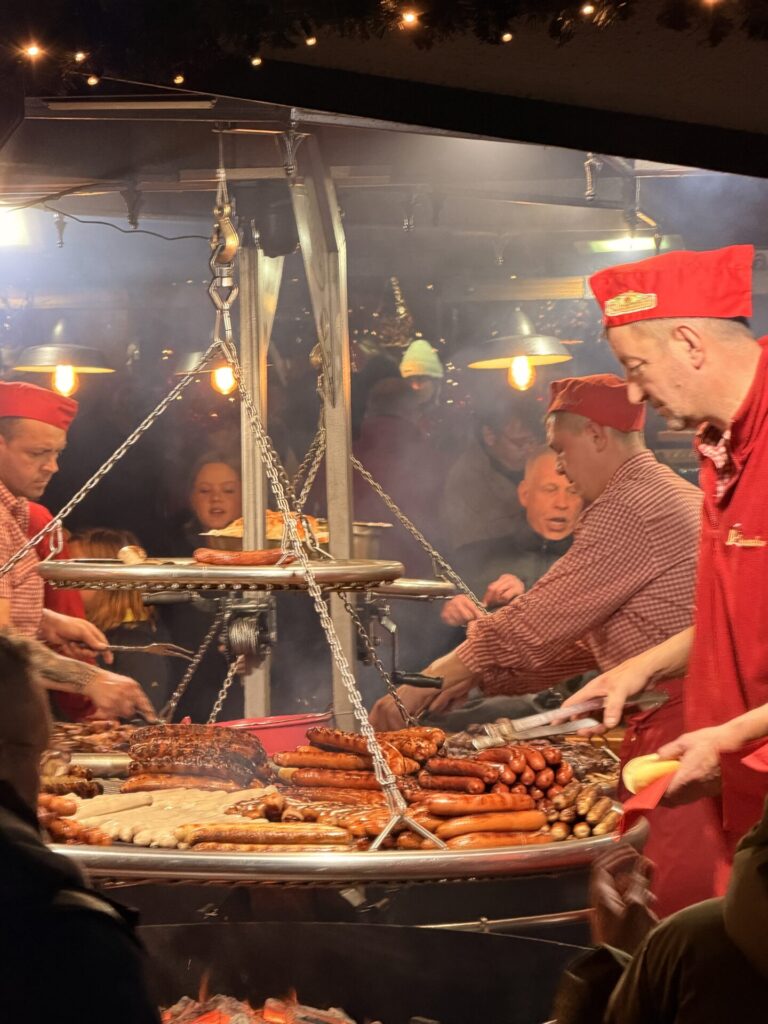
Bratwurst, Cologne Christmas Market
No visit is complete without trying these classics:
Reibekuchen (potato pancakes) with apple sauce
Kölsche Bratwurst
Flammkuchen
Kaiserschmarrn
Hot chocolate with rum or amaretto
Glühwein (red), Weißer Glühwein (white), and Feuerzangenbowle
Insider move: Collect the beautiful Glühwein mugs; each market has its own design.
When Do Cologne Christmas Markets Open in 2025?
Most markets run from mid/late November until 23 December 2025. Exact dates are usually announced in early autumn, but the pattern remains consistent every year.
Itinerary: How to Visit All Major Cologne Christmas Markets in One Route
Cologne’s Christmas markets are spread across the city, but with a smart route you can visit all major markets in a single festive day. This itinerary follows a logical north-to-south flow through the city center, then continues into the neighborhoods before ending in Ehrenfeld — perfect for travelers who want to experience every mood: iconic, romantic, local, creative, and alternative.
Start: Cologne Cathedral Christmas Market (Weihnachtsmarkt am Dom)
Begin your day at the most famous market in Cologne. Arrive early to avoid crowds and enjoy the views of the cathedral and the giant Christmas tree.
Next stop: A 5-minute walk into the Old Town.
Old Town & Heumarkt Market (Heinzels Wintermärchen)
Stroll through narrow cobblestone lanes into the Altstadt. Explore the Heinzelmännchen market and, if you feel like it, go for a quick ride on the ice rink.
Next stop: Follow the Rhine south — a scenic 10-minute walk.
Right next to the Chocolate Museum and the river, this maritime-themed market is a refreshing contrast to the city center.
Next stop: Take tram Line 16 or 17 from Schokoladenmuseum to Chlodwigplatz (6 minutes).
VeedelsAdvent Chlodwigplatz (Südstadt)
Welcome to the Südstadt — relaxed, local, and full of neighborhood charm. VeedelsAdvent mixes creatives, small food vendors, and a warm community feeling.
Next stop: Walk 15 minutes north or take tram Line 16 to Neumarkt.
Market of Angels (Markt der Engel, Neumarkt)
Arrive at sunset if possible — the floating stars and white stalls look magical in the evening glow.
Next stop: A 7-minute walk toward Rudolfplatz.
Nicholas Village at Rudolfplatz (Nikolausdorf)
A fairy-tale village with half-timbered houses and family-friendly attractions. The atmosphere is warm and festive.
Next stop: A 5-minute walk along Schaafenstraße.
HEAVENUE Cologne (The Queer Christmas Market)
This colorful and bold market adds a playful twist to Cologne’s Christmas season. Expect music, neon lights, and a lively LGBTQ+ crowd.
Next stop: Walk 12 minutes or take tram Line 12 or 15 to Hans-Böckler-Platz/Bf West.
Stadtgarten Christmas Market (Belgian Quarter)
In the heart of the Belgian Quarter, Stadtgarten is cozy, creative, and beloved by locals. Browse indie designs and enjoy some of the best food stalls in the city.
Next stop: You’re now heading into Ehrenfeld — walk 15 minutes or take tram Line 13 from Venloer Straße/Gürtel to Ehrenfeld Bf.
Christmas Market at Bumann & Sohn (Ehrenfeld)
A young, alternative market with a relaxed backyard vibe. Street food, craft beer, and local designers make it one of the most vibrant evening spots.
Finish your day at one of Ehrenfeld’s most beloved institutions. Enjoy the courtyard lights, handmade gifts, and the option to warm up inside the iconic Herbrand’s venue. It’s the perfect ending: cozy, local, authentic, and a welcome break after a full day of exploring.
Total route summary
Markets covered: 10
Walking: ~60–70 minutes total (spread throughout the day)
Public transport: 2–3 short tram rides
Duration: Full afternoon and evening (6-8 hours if you explore comfortably); If you only have time to visit one Christmas market, then I would recommend Alter Markt & Heumarkt to experience the Cologne Christmas Markets feeling.
Best flow: City center → Südstadt → Neumarkt → Belgian Quarter → Ehrenfeld
Tips & Tricks for Visiting Christmas Markets in Cologne
Visiting Christmas markets can be magical, but a little planning makes the experience even better. Here are practical insider tips to help you enjoy Cologne’s markets like a local.
1. Go early — or very late The busiest hours are 5 pm to 8 pm. If you want to explore stalls without crowds, visit right when the markets open (usually around 11 am). Late evenings after 9 pm are also calmer and perfect for relaxed Glühwein moments.
2. Avoid weekends if possible Fridays and Saturdays can feel overwhelmingly full, especially at the Cathedral and Heumarkt markets. If your schedule allows, choose a weekday — the difference is huge.
3. Bring cash (even if many stalls take cards) Some stalls accept contactless payment, but many still prefer cash, especially food stands and smaller artisans. Keep a mix of small bills and coins for faster service.
4. Dress warm — really warm Cologne’s winter can be damp and windy, especially near the Rhine. Wear layers, waterproof shoes, gloves, and a hat. Standing outside with a hot drink feels much better when you’re comfortable.
5. Share food to try more Portions can be large, and you’ll want to sample several classics. Share Reibekuchen, Bratwurst, Flammkuchen, and sweet treats with your travel partners so you can explore more variety without overdoing it.
6. Collect the mugs Each market has its own Glühwein mug design, often themed to the neighborhood or year. You pay a small deposit (Pfand) and can keep the mug as a souvenir. It’s a fun, inexpensive memory to take home.
7. Plan your route logically The main markets are walkable, but crowds build quickly. A smart route is:
8. Use public transport Parking in the city center is extremely limited in December. Trams and trains run frequently and drop you right next to the markets. Lines 1, 7, 9, 16, and 18 cover most areas.
9. Watch your belongings As in any crowded place, keep your phone and wallet in secure pockets. Cologne is safe, but Christmas markets attract large groups, and pickpockets occasionally target easy opportunities.
10. Check for special events Many markets offer concerts, artisan workshops, children’s shows, and themed evenings. Local listings or the markets’ websites often highlight these events — they can turn your visit into something even more memorable.
11. Take breaks inside cafés or museums If the cold gets intense, warm up inside. Near the markets you’ll find plenty of cafés, museums, and small shops perfect for a quick reset before continuing your Christmas adventure.
Final Insider Take
The Cologne Christmas Markets are more than holiday events — they’re an important part of the city’s culture, identity, and winter charm. Each market offers a different angle on Cologne: historic, modern, family-friendly, creative, and local.
If this is your first time in the city during Advent, let yourself wander. Follow the lights, try the food, and enjoy the warmth of Cologne’s famous hospitality.